Architecture is not only about constructing buildings or structures; it is about creating spaces that shape how people feel, move, and live in their daily lives. Well-designed architecture improves comfort, safety, and convenience, making spaces more pleasant and practical to use. Whether it is a home, office, or public area, good architecture focuses on human needs and ensures that every space supports daily activities smoothly and efficiently. It also considers how people interact with their surroundings, helping create environments that feel welcoming, balanced, and easy to navigate.
Creative architectural design concepts play a key role in transforming ordinary spaces into inspiring and memorable environments. These concepts help turn simple buildings into well-planned spaces that are functional, visually attractive, and meaningful. By using innovation, smart layouts, and thoughtful design choices, architects can enhance both the appearance and usability of a space. A balanced approach that combines creativity with structure and purpose ensures long-term value and comfort. Through creative architectural design concepts, even basic designs can become unique, expressive, and capable of leaving a strong and lasting impression.
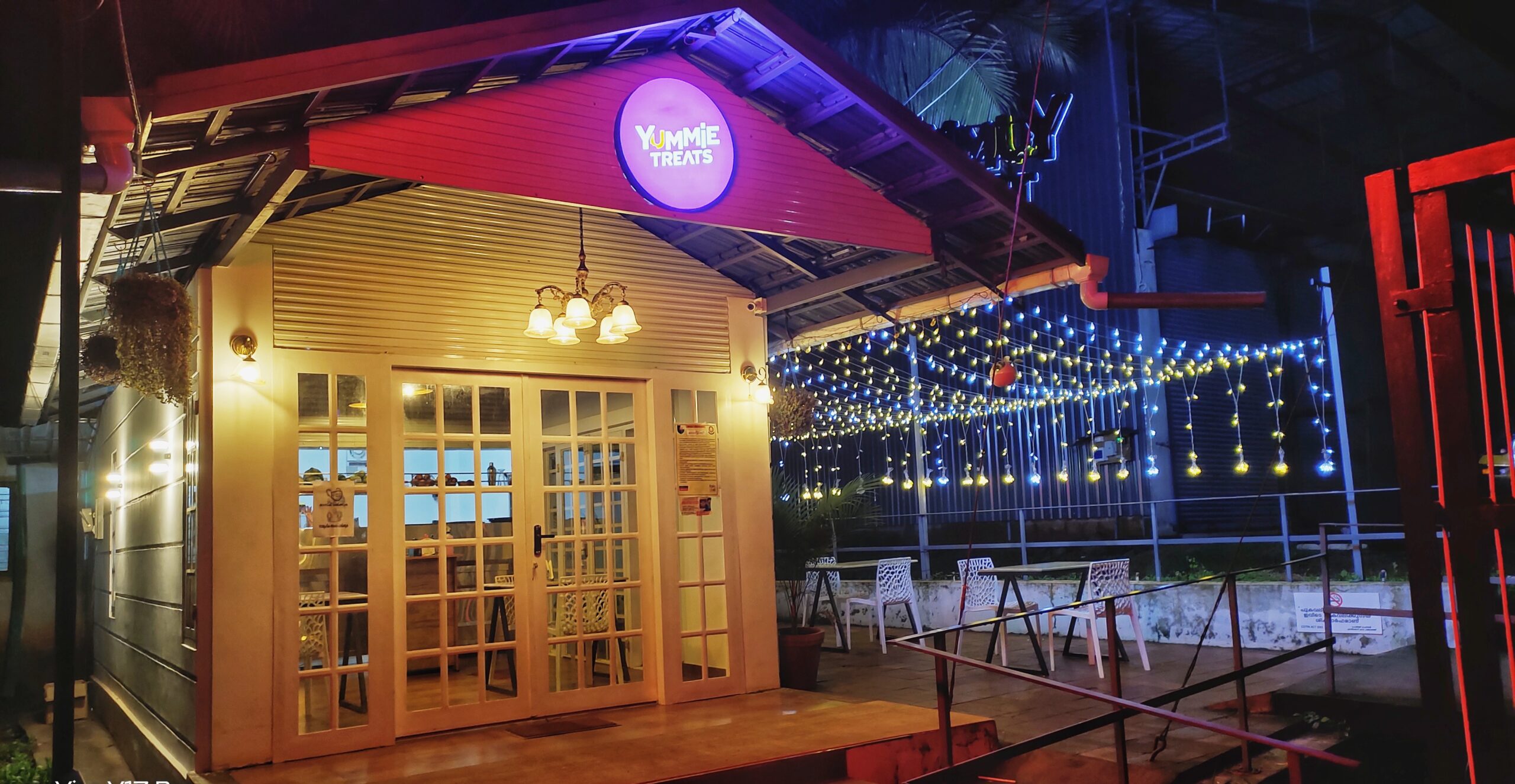
Understanding Creative Architectural Design
Creative architectural design is about thinking differently while still focusing on how a space will be used every day. It goes beyond basic construction and looks at how design can improve comfort, movement, and overall experience. The goal is to create spaces that are not only attractive but also practical, safe, and easy to maintain. A well-designed building should support daily routines and make people feel comfortable and connected to their surroundings.
Creative architectural design concepts combine beauty and functionality in a balanced way. These concepts focus on how shapes, colors, lighting, and materials work together to create harmony within a space. Architects use creativity to solve design challenges, such as making small spaces feel larger, improving natural light, or creating flexible areas that serve multiple purposes.
Rather than copying fixed styles or traditional layouts, creative architectural design concepts encourage innovation and experimentation. This includes using modern materials, sustainable solutions, smart technologies, and fresh design ideas that match today’s lifestyle needs. Every detail is carefully planned to ensure the space remains useful and relevant for years to come.
By applying creative architectural design concepts, each space is given its own character and identity. Whether it is a home, office, or commercial building, creative design ensures the space feels meaningful, well-planned, and unique. This thoughtful approach helps ordinary structures become inspiring environments that truly stand out.
Smart Use of Space and Layout
One of the strongest features of Creative architectural design concepts is the smart use of space and layout planning. Good design is not about having more space, but about using the available space in the best possible way. Even small or simple areas can feel open, airy, and comfortable when the layout is planned carefully. Proper space planning helps avoid clutter and ensures that every area serves a clear purpose.
Creative architectural design concepts often include open floor plans that reduce unnecessary walls and barriers. This allows natural light and air to flow freely, making spaces feel brighter and more spacious. Multi-functional zones are also an important part of modern design. For example, a living area can also function as a workspace, or storage can be built into walls and furniture to save space.
Smooth and seamless transitions between rooms improve movement and usability. When spaces connect naturally, daily activities become easier and more comfortable. Hallways, doorways, and room connections are designed to create a natural flow rather than interruptions.
By focusing on smart layouts, Creative architectural design concepts improve comfort, functionality, and efficiency. This thoughtful approach transforms ordinary spaces into well-organized, practical, and visually pleasing environments that feel balanced and purposeful for everyday living.
Innovative Use of Materials
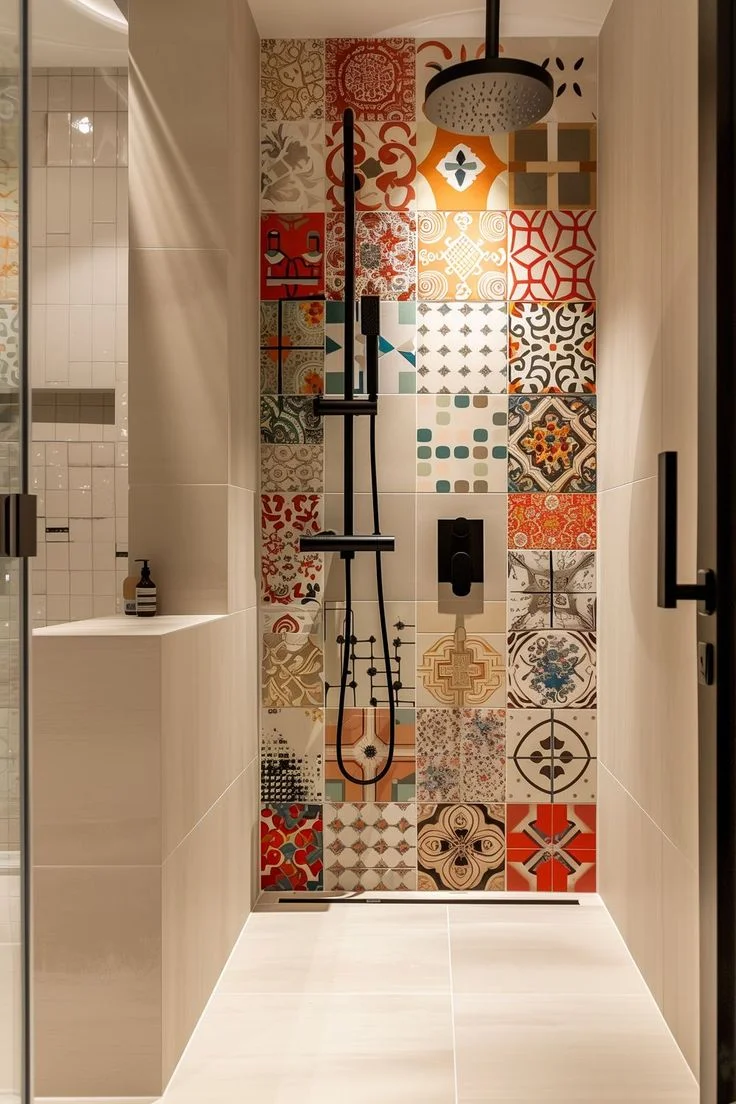
A key feature of Creative architectural design concepts is the smart and innovative use of materials. Instead of using materials in a standard or expected way, creative architecture explores new combinations and applications to enhance both beauty and function. Natural materials such as wood, stone, glass, and concrete are carefully selected and blended to create balance, texture, and a strong visual identity. Each material brings its own quality, such as warmth, strength, transparency, or durability, which helps shape the overall character of a space.
Creative architectural design concepts also place strong importance on sustainable and eco-friendly materials. Recycled, reclaimed, and locally sourced materials are increasingly used to reduce environmental impact while maintaining quality and style. These materials not only support responsible design practices but also add uniqueness and authenticity to a space. Using sustainable materials helps create buildings that are both modern and environmentally conscious.
The right choice of materials can completely change how a space looks and feels. Through Creative architectural design concepts, materials are chosen not only for their appearance but also for comfort, durability, and long-term use. This thoughtful selection helps create spaces that feel welcoming, well-crafted, and meaningful, turning ordinary structures into visually striking and lasting environments.
Natural Light and Ventilation
Natural light and proper ventilation are essential elements in creating comfortable and healthy spaces. Creative architectural design concepts focus on using daylight and fresh air to improve both the look and feel of a building. By designing large windows, skylights, glass walls, and open courtyards, architects allow sunlight to flow naturally into interior spaces. This creates brighter environments and reduces the need for artificial lighting during the day.
Creative architectural design concepts also give strong importance to natural ventilation. Well-planned openings, cross-ventilation, and open layouts help fresh air move freely throughout the space. This improves indoor air quality, maintains comfortable temperatures, and supports healthier living and working conditions. Good airflow also helps reduce moisture and keeps spaces feeling fresh.
Well-lit and airy spaces feel more open, calm, and welcoming. Natural light enhances colors, textures, and materials, making interiors look more attractive and lively. By focusing on light and ventilation, Creative architectural design concepts create environments that are energy-efficient, visually appealing, and comfortable for everyday use.
Blending Interior and Exterior Design
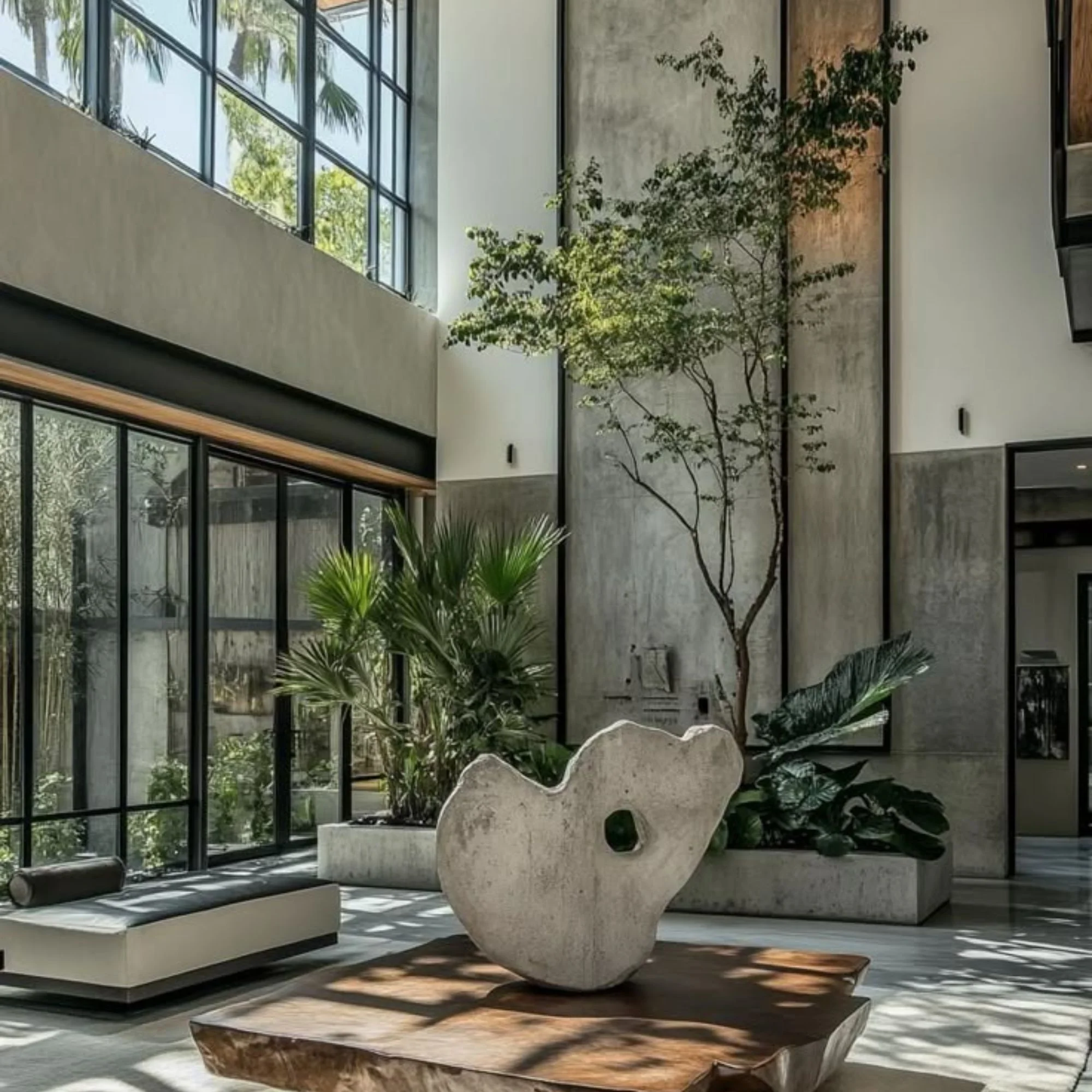
Modern architecture focuses on creating a strong and natural connection between indoor and outdoor spaces. Creative architectural design concepts aim to remove the feeling of separation between inside and outside areas. By using elements such as balconies, terraces, patios, gardens, and landscaped open spaces, living areas are extended beyond walls and rooms. This creates more space to relax, work, or spend time with nature.
Creative architectural design concepts use design features like large glass windows, sliding doors, and open layouts to create smooth transitions between interiors and exteriors. When the same materials, colors, or design styles are used in both areas, the space feels unified and well-connected. This seamless flow allows natural light and fresh air to move freely, making interiors brighter and more comfortable.
Blending interior and exterior elements adds depth, balance, and visual interest to a space. Through Creative architectural design concepts, buildings feel more open, spacious, and harmonious with their surroundings. This thoughtful integration improves overall design quality and creates environments that feel calm, inviting, and enjoyable for everyday living.
Focus on Sustainability and Functionality
Architecture today is not only about creating beautiful spaces; it is also about designing buildings that last and perform well over time. Creative architectural design concepts strongly focus on sustainability and functionality to deliver long-term value. Energy-efficient planning helps reduce electricity usage by making better use of natural light, ventilation, and insulation. This not only lowers energy costs but also creates more comfortable indoor environments.
Creative architectural design concepts encourage the use of eco-friendly, durable, and locally sourced materials. These materials reduce environmental impact while improving strength and lifespan. Sustainable design choices help protect natural resources and support healthier living and working spaces.
Functionality is equally important in creative design. Spaces are planned to be practical, flexible, and easy to use. Through Creative architectural design concepts, buildings are designed to adapt to changing needs, whether for growing families, evolving workspaces, or future upgrades. Easy maintenance, smart layouts, and efficient systems ensure that spaces remain relevant, comfortable, and useful for many years.
Conclusion
Creative architectural design concepts have a strong ability to turn ordinary spaces into extraordinary and purposeful environments. By combining smart planning, efficient layouts, innovative use of materials, natural light, proper ventilation, and sustainable design practices, architecture becomes more than just construction. It becomes a way to enhance comfort, usability, and overall quality of life.
Creative architectural design concepts focus on creating spaces that are both beautiful and practical. When creativity works together with functionality, even the simplest buildings can feel inspiring, efficient, and well-organized. Thoughtful design ensures that spaces are easy to use, comfortable to maintain, and adaptable to future needs.
In the long run, creative architectural design concepts help create timeless environments that remain relevant and valuable for years. These designs not only improve how spaces look, but also how people experience and connect with them every day.