In today’s fast-moving world, design is not only about making a space look beautiful. It is about creating spaces that make everyday life easier, more comfortable, and more enjoyable. A well-designed home or office should help you move freely, stay organized, and feel relaxed. At the same time, it should reflect your personality, taste, and lifestyle.
Functional and aesthetic design solutions focus on both purpose and beauty. Function means the space works well — with smart layouts, proper storage, good lighting, and practical furniture. Aesthetic means the space looks attractive, stylish, and welcoming. When these two elements come together, they create an environment that feels balanced and complete.
Today, people want more from their spaces. They want homes that feel peaceful after a long day and workplaces that boost creativity and productivity. Through smart planning, innovative ideas, and careful attention to detail, modern design is changing the way we live and work. Modern living is no longer just about having a place to stay — it is about experiencing comfort, efficiency, and inspiration every single day.
The Shift Toward Purposeful Design
Today, homeowners and business owners want more than just attractive interiors. In the past, design was mainly focused on appearance. Now, people expect their spaces to not only look beautiful but also function smoothly in everyday life. They want homes that make daily routines easier and workplaces that help teams stay organized and productive. This growing demand has led to a strong shift toward purposeful design.
This is where functional and aesthetic design solutions make a real difference. These solutions combine smart planning with stylish details to create spaces that are both useful and visually appealing. Instead of choosing between beauty and practicality, modern design blends the two perfectly.
Functionality means that every part of the space has a clear purpose. Storage areas are thoughtfully planned to reduce clutter. Furniture is selected not only for its style but also for comfort and usability. Layouts are designed to allow smooth movement and better space utilization. Whether it is a small apartment or a large office, the goal is to make the most of every square foot.
At the same time, aesthetics add character and emotion to the space. Colors, textures, lighting, and décor elements create warmth and personality. A well-designed space should feel welcoming and inspiring, not cold or empty.
When functionality and aesthetics are combined, the result is a space that feels complete. It is practical enough to support daily needs and elegant enough to leave a lasting impression. This balance creates environments that are not only efficient but also comfortable, stylish, and luxurious.
Creating Smart and Stylish Spaces
Blending Comfort with Innovation
The way a space is designed has a powerful impact on how people feel, think, and perform every single day. A carefully planned interior does more than just look attractive — it supports emotional well-being, reduces stress, and improves overall productivity. This is why functional and aesthetic design solutions are becoming essential in modern homes and workplaces. When a space feels comfortable, organized, and visually pleasing, it becomes easier to focus on tasks, relax after a long day, and enjoy everyday moments.
One of the most important elements in enhancing daily life is natural light. Sunlight makes rooms appear brighter, more spacious, and more welcoming. It lifts mood, increases energy levels, and promotes better mental health. Alongside natural lighting, ergonomic furniture plays a key role. Properly designed chairs, desks, and workstations support good posture and reduce physical strain, especially for those who spend long hours working. Through functional and aesthetic design solutions, comfort and style are combined to create furniture that looks elegant while supporting health and productivity.
Organization is another critical factor. Cluttered spaces often create stress and distraction, while well-organized layouts encourage calmness and clarity. Smart storage systems, clear pathways, and thoughtful space planning make daily activities smoother and more efficient. These practical improvements are at the heart of functional and aesthetic design solutions, ensuring that every area serves a purpose without sacrificing visual appeal.
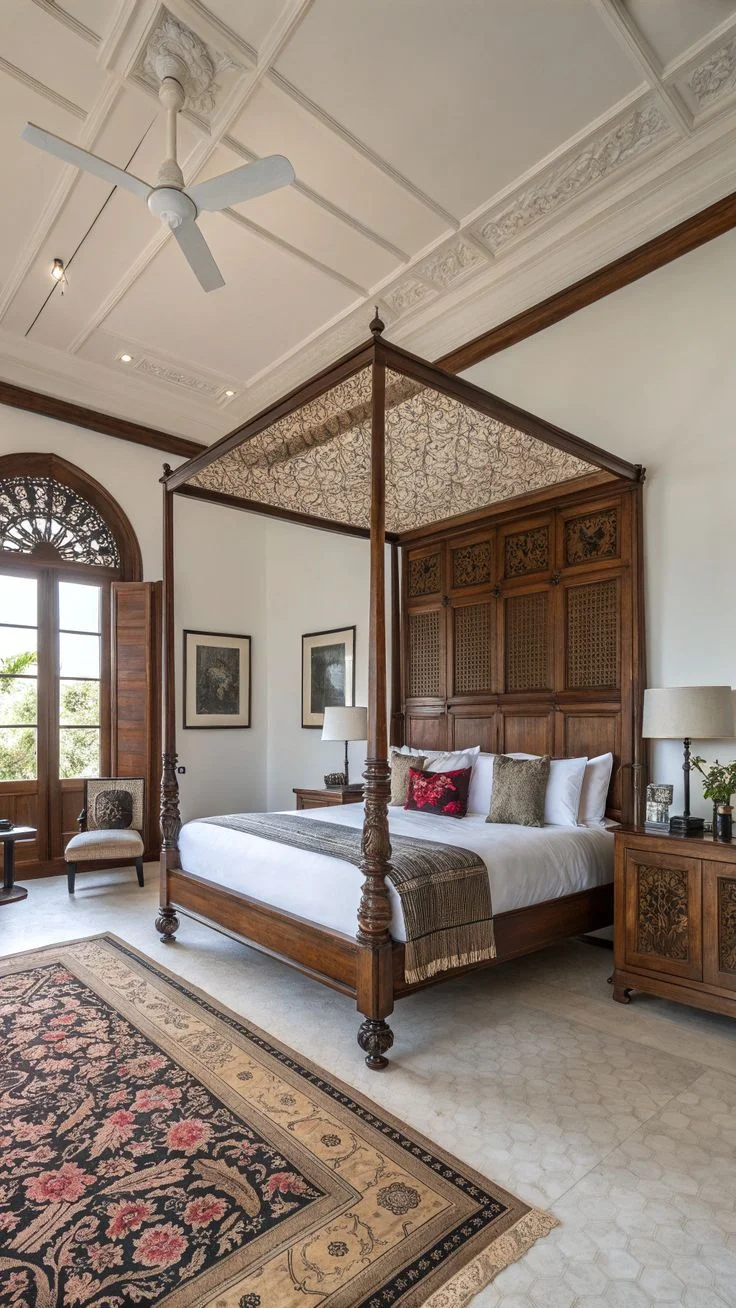
In homes, thoughtful design transforms ordinary rooms into personal retreats. Bedrooms become peaceful sanctuaries for rest, living rooms promote connection and relaxation, and kitchens are designed for smooth, efficient movement. In workplaces, well-planned environments inspire creativity, collaboration, and focus. Employees feel more motivated when they work in spaces that are comfortable, attractive, and easy to navigate.
By investing in functional and aesthetic design solutions, individuals and businesses create environments that truly support their daily needs. These solutions balance beauty with practicality, ensuring that spaces are not only visually impressive but also highly functional. Over time, this thoughtful approach leads to greater comfort, improved performance, and lasting satisfaction — enhancing everyday living in meaningful and sustainable ways.
Sustainable and Future-Ready Design
Modern living today is not only about comfort, luxury, and visual appeal — it is also about responsibility and awareness. People are becoming more conscious about how their choices affect the environment. As a result, sustainable interiors are no longer a trend; they are becoming a necessity. Functional and aesthetic design solutions now focus on creating spaces that are beautiful, practical, and environmentally responsible at the same time.
Many homeowners and businesses are choosing eco-friendly materials that reduce environmental impact. Materials such as reclaimed wood, bamboo, recycled metal, and low-VOC paints are increasingly popular. These options are not only better for the planet but also healthier for the people who live and work in the space. They improve indoor air quality and create a safer environment for families and employees.
Energy efficiency is another key element of sustainable design. LED lighting systems consume less electricity while still providing bright and attractive illumination. Energy-saving appliances, smart thermostats, and efficient climate control systems help reduce power usage and lower monthly utility bills. When integrated properly through functional and aesthetic design solutions, these technologies blend seamlessly into the overall design without affecting the visual appeal.
Responsible construction practices also make a big difference. Careful planning reduces material waste during construction. Durable building materials ensure that interiors last longer and require fewer repairs or replacements. These smart decisions not only protect natural resources but also increase the long-term value of the property. Sustainable spaces are often more cost-effective to maintain and more attractive to future buyers or tenants.
Future-ready design also means thinking ahead. Lifestyles and needs change over time, and interiors should be able to adapt easily. Flexible layouts, modular furniture, and multi-purpose rooms allow spaces to evolve without major renovations. For example, a child’s study room can later become a home office, or a retail space can be redesigned to suit changing business demands.
By combining environmental responsibility with smart planning, functional and aesthetic design solutions ensure that spaces remain practical, efficient, stylish, and relevant for years to come. Sustainable and future-ready design creates interiors that not only look good today but continue to perform beautifully in the future.
Conclusion